7 Things to Declutter When You Feel Overwhelmed
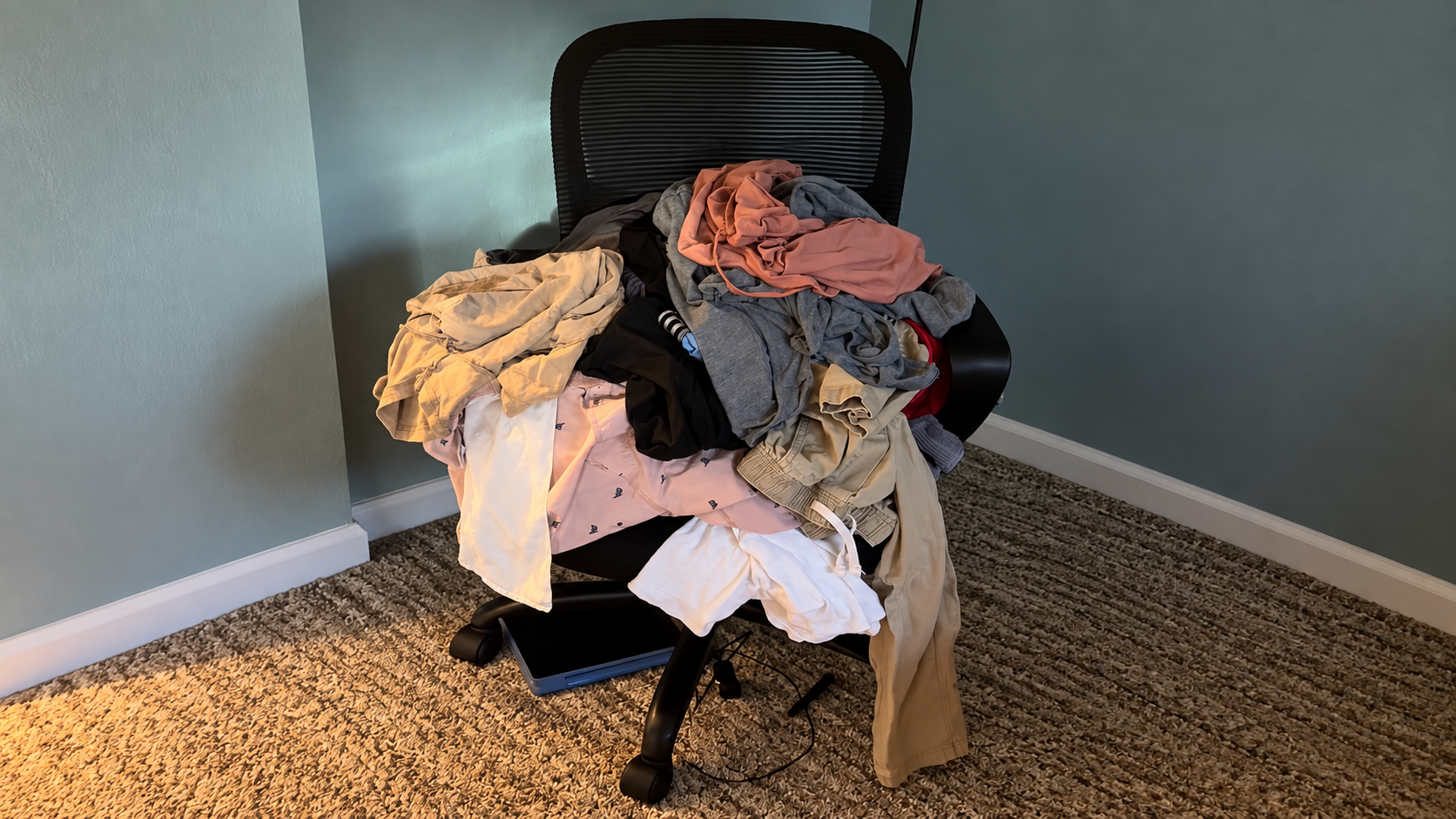
Some days, the clutter around you feels louder than usual. There is a pile of clothes on the chair, a collection of things on the kitchen counter, and a bedside table that seems to gather something new every night. None of it is an emergency. Yet looking around can leave you with the uncomfortable feeling that there is one more thing you are falling behind on.
If that sounds familiar, take a breath. A messy space is not a character flaw. It does not mean you are lazy, disorganized, or failing at adulthood. Sometimes your surroundings simply reflect how much you have been carrying. Work, parenting, caregiving, decisions, responsibilities, and an already-busy mind can make even ordinary household tasks feel unusually demanding.
You do not have to fix the entire room today. You can start with one small area, make one useful change, and let that be enough.
Why clutter can feel overwhelming
Clutter is not just about the number of things in a room. Sometimes it represents unfinished decisions: Where does this belong? Should I keep it? When will I have time to deal with it? Each object may seem to ask for a little more attention when you feel you have none left to give.
Research has found associations between how people describe their homes and measures of stress and mood, although that does not prove clutter causes mental health problems or that tidying will treat them. The relationship is personal and complicated. A home can be busy, loved, functional, and perfectly healthy without looking like a magazine photograph.
When you are stressed, one useful approach is to break an intimidating job into manageable pieces. You may have heard the advice to “just get started,” but that can feel impossible when the task has no clear beginning or end. A much gentler question is: What is one area I can make easier to use in ten minutes or less?
Here are seven places to consider. Choose one, not all seven.
1. The chair that has become a second closet
That chair often holds more than clothes. It holds postponed decisions about what is clean, what needs washing, and what might be worn again.
Set a timer for five minutes. Make three simple decisions: put clean clothes away, place dirty clothes in the laundry, and choose a specific spot for clothes that can be worn again. You do not have to reorganize the closet. Your only goal is to make the chair usable again.
Small win: You can sit down without moving a pile first.
2. Your bedside table
The space you see before sleeping and after waking can become a landing place for empty cups, receipts, chargers, medicine packaging, books, and things you meant to put away.
Remove trash, return any cups to the kitchen, and keep only what you genuinely use at bedtime. You might leave a lamp, a book, tissues, or another item that makes your routine easier. There is no perfect number of objects.
Small win: You can reach the things you need without searching.
3. One section of the kitchen counter
Not the whole kitchen. Just the space beside the coffee maker, the sink, or wherever you prepare a meal.
Pick a section about the width of your forearm. Remove anything that belongs elsewhere, wipe the cleared spot, and leave the essentials in place. If you notice other clutter, resist the urge to follow it into another room. That can turn one achievable task into six unfinished ones.
Small win: One routine task—making breakfast, preparing lunch, or filling a water bottle—has a little more room.
4. The bathroom sink area
Start with obvious trash and empty containers. Then group the items you use every day. Products used less often can go in their usual storage spot, if one is available.
Do not turn this into a project to sort every skincare product you own. You are simply making the sink easier to use in the morning and at night.
Small win: Getting ready takes fewer little decisions.
5. Your entryway or everyday drop zone
Keys, mail, bags, receipts, and shoes often accumulate where the day begins and ends. This area can be particularly frustrating because you pass it so often.
Throw away obvious junk mail, put shoes in one spot, and choose a consistent home for your keys. If important papers need attention, place them in one clearly labeled folder or tray rather than trying to process them all now.
Small win: Leaving home tomorrow becomes a little smoother.
6. One drawer—not every drawer
Choose a drawer that regularly slows you down. Remove broken items and things you no longer use. Group what remains by function, even if you have no organizers or matching containers.
If you discover something requiring a bigger decision, set it aside in a small “decide later” spot. Limit this category so it does not become another permanent clutter pile.
Small win: You can find one useful item without digging.
7. One bag of things ready to leave
You do not need an ambitious donation challenge. Find a few obvious items you no longer want or need, provided they are yours to give away. Place usable items in a donation bag and true rubbish in the trash. Check local donation rules before dropping anything off.
If letting go of belongings brings up difficult memories or strong distress, you can stop. You do not need to push through that discomfort to prove you have accomplished something.
Small win: A few decisions have been made, even if the bag is not full.
Try this 10-minute reset
This is not a speed-cleaning competition. It is a way to give a task a clear beginning and end.
- Minute 1 — Check in. Ask yourself: “How much energy do I realistically have?” Pick a space that fits your answer.
- Minute 2 — Define the finish line. Make it specific: “Clear the chair,” not “clean the bedroom.”
- Minutes 3–8 — Do one task. Use three simple categories: keep here, belongs elsewhere, and trash or donate. If something requires a complicated decision, leave it for another day.
- Minute 9 — Reset the area. Return the things that belong there. Take a breath and notice what is different.
- Minute 10 — Close the task. Put supplies away. Say what you completed, rather than listing everything still undone.
You are allowed to stop when the timer ends. You are also allowed to stop earlier. If you feel ready to continue, that is a choice, not an obligation.
When your thoughts make the task feel bigger
Sometimes the hardest part is not picking up an object. It is the thought attached to it:
“If I can’t finish this room, there’s no point starting.”
Try testing that thought instead of accepting it as a fact. Ask: “Would one cleared surface make tomorrow a little easier?” If the answer is yes, the task still has value even when the rest of the room is unchanged.
Or perhaps the thought is: “I should be able to keep up with this.” A more balanced response might be: “I have many responsibilities, and I can make this easier one step at a time.”
This kind of gentle reframing is inspired by cognitive behavioral approaches, which encourage us to examine unhelpful thoughts and try more workable alternatives. It is not about pretending the mess does not exist. It is about avoiding a layer of shame that makes starting even harder.
A quick reflection: what is really getting in the way?
Before you choose another task, pause and answer these three questions:
● What is the actual barrier? Is it time, energy, pain, decision-making, not knowing where things belong, or feeling that everything needs to be done at once?
● What would make the next step easier? A timer, a labeled basket, asking someone for help, sitting while sorting, or reducing the task to two minutes?
● How will I know I’m finished for today? Choose a visible, realistic stopping point.
Your answer matters. A person with ten spare minutes and plenty of energy needs a different plan from someone managing a long shift, chronic pain, grief, ADHD, or caregiving responsibilities. The goal is to work with your actual circumstances, not against them.
Progress is not the same as perfection
There may still be laundry to fold tomorrow. The kitchen may become busy again after dinner. That does not erase the work you did today.
Decluttering is most useful when it supports how you want to live, not when it becomes another measure of your worth. A calmer space can be a welcome result, but so can finding your keys faster, having room to make breakfast, or simply feeling less stuck at the beginning of a task.
If you want more structure, my book Tiny Declutter Wins: 10 Minutes a Day explores small, manageable decluttering steps and the psychology behind why clutter can feel difficult. You can also look for my free 7-Day Tiny Decluttering Reset in the resources section of this website.
For today, choose one small space. Give yourself permission to begin imperfectly—and permission to be done.
This article is for general education and encouragement, not individualized mental health treatment. Persistent distress, severe difficulty with daily functioning, or unsafe living conditions may call for additional practical or professional support.
Further reading
● NHS Every Mind Matters, Tackling your to-do list.
● NHS, Get help with stress.
● Saxbe, D. E., & Repetti, R. L. (2010). No place like home: Home tours correlate with daily patterns of mood and cortisol. Personality and Social Psychology Bulletin.